Electric Heating Element
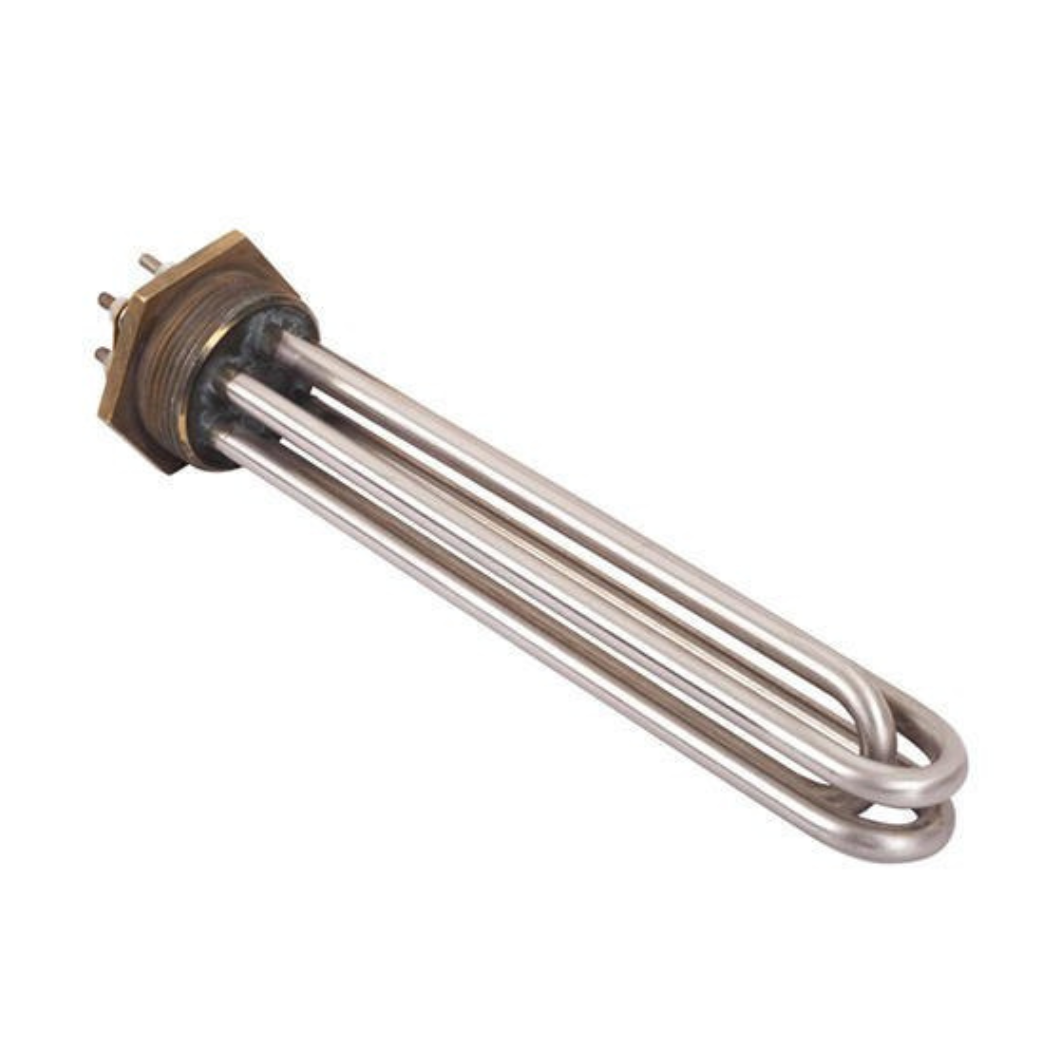
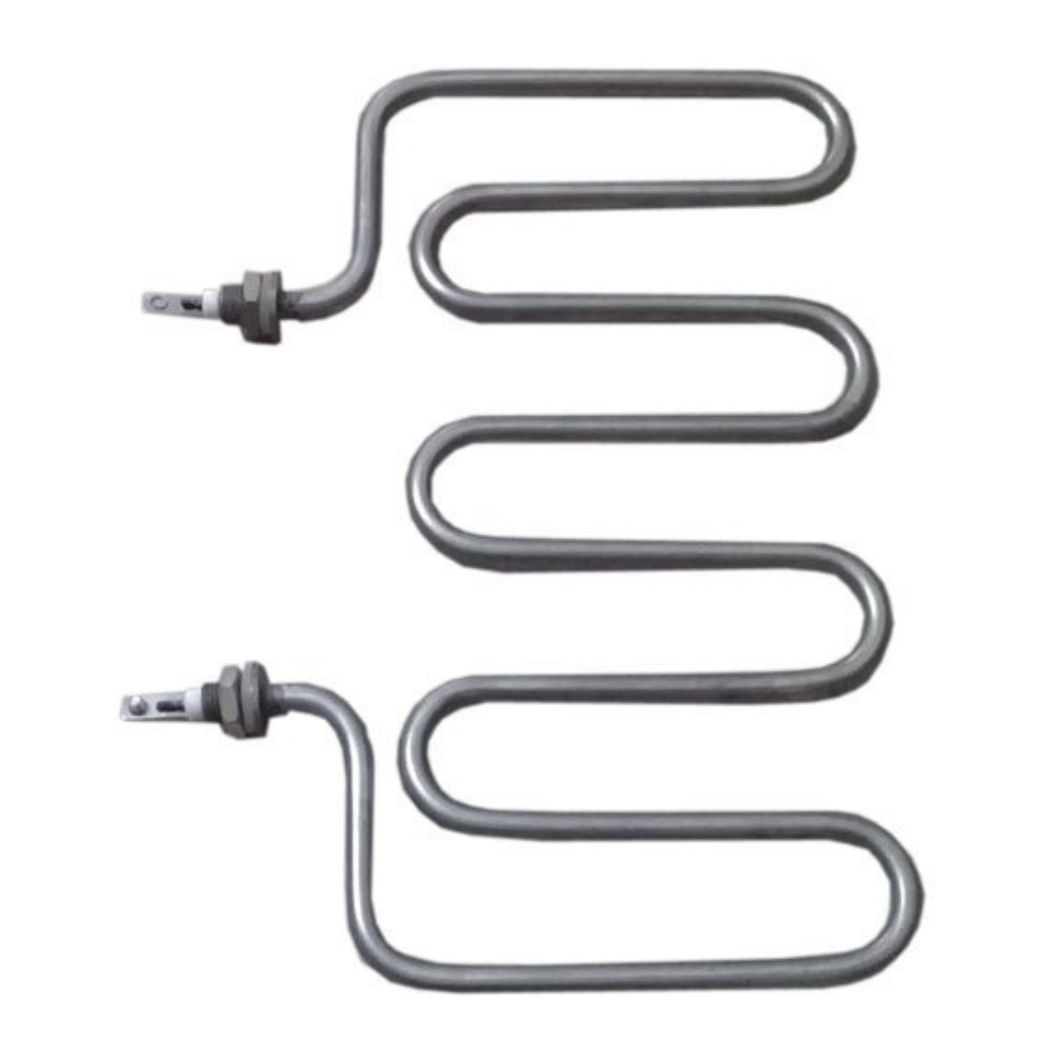
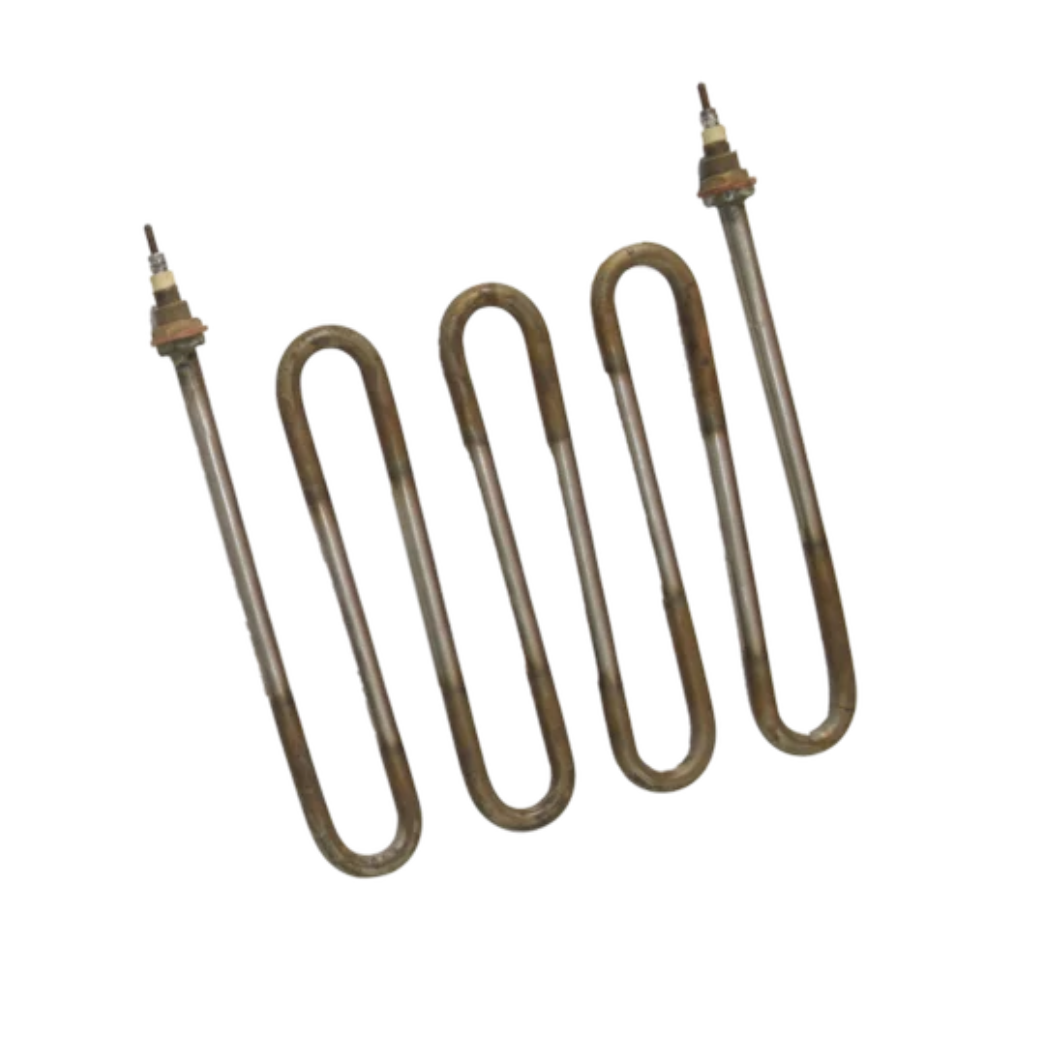
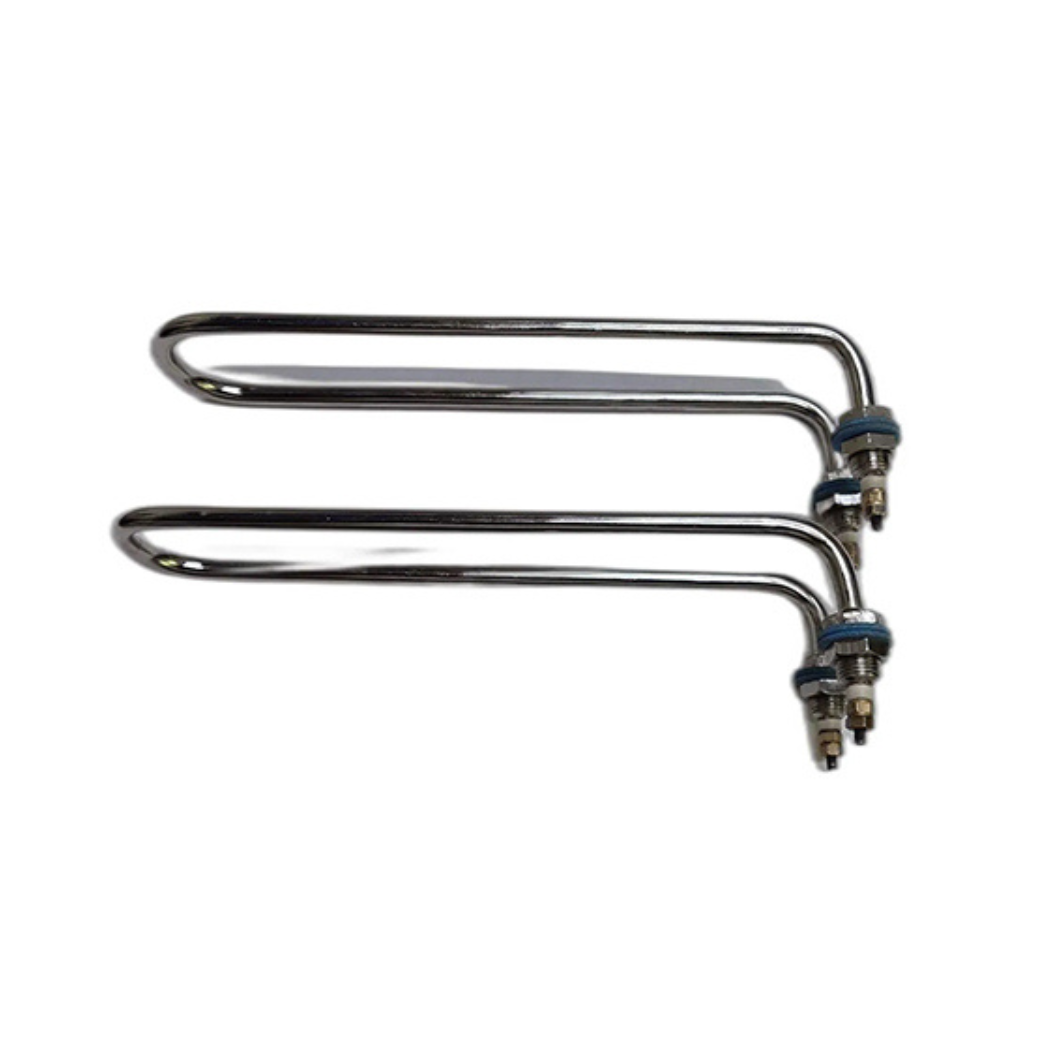
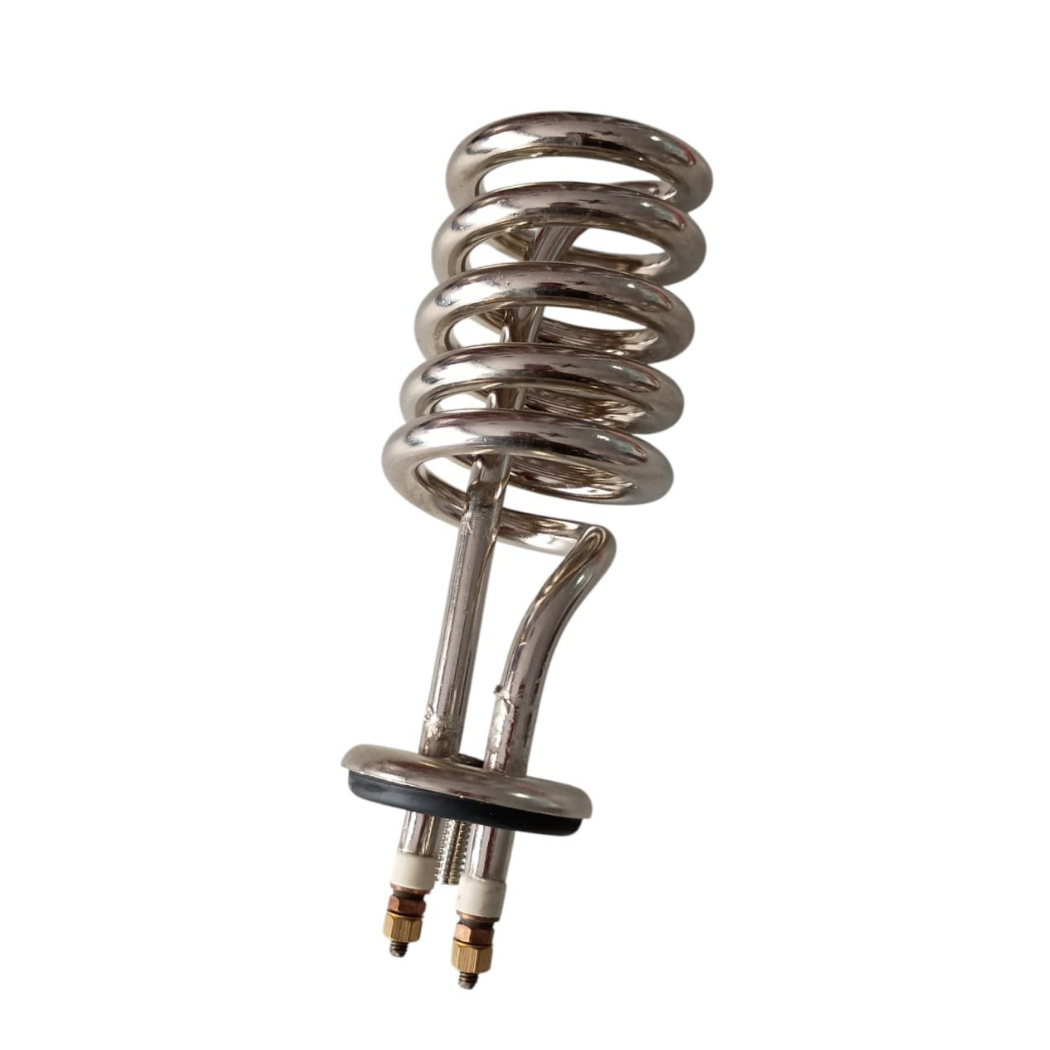
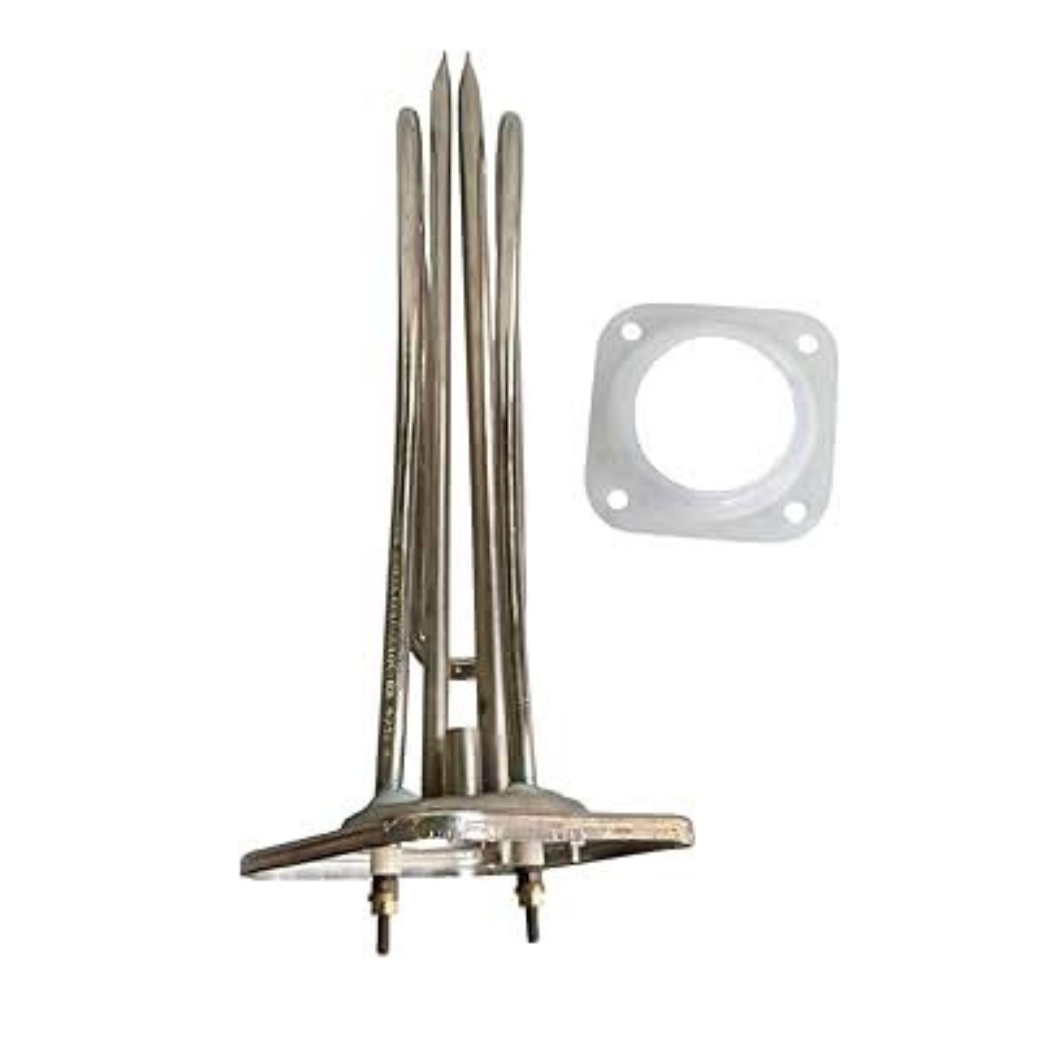
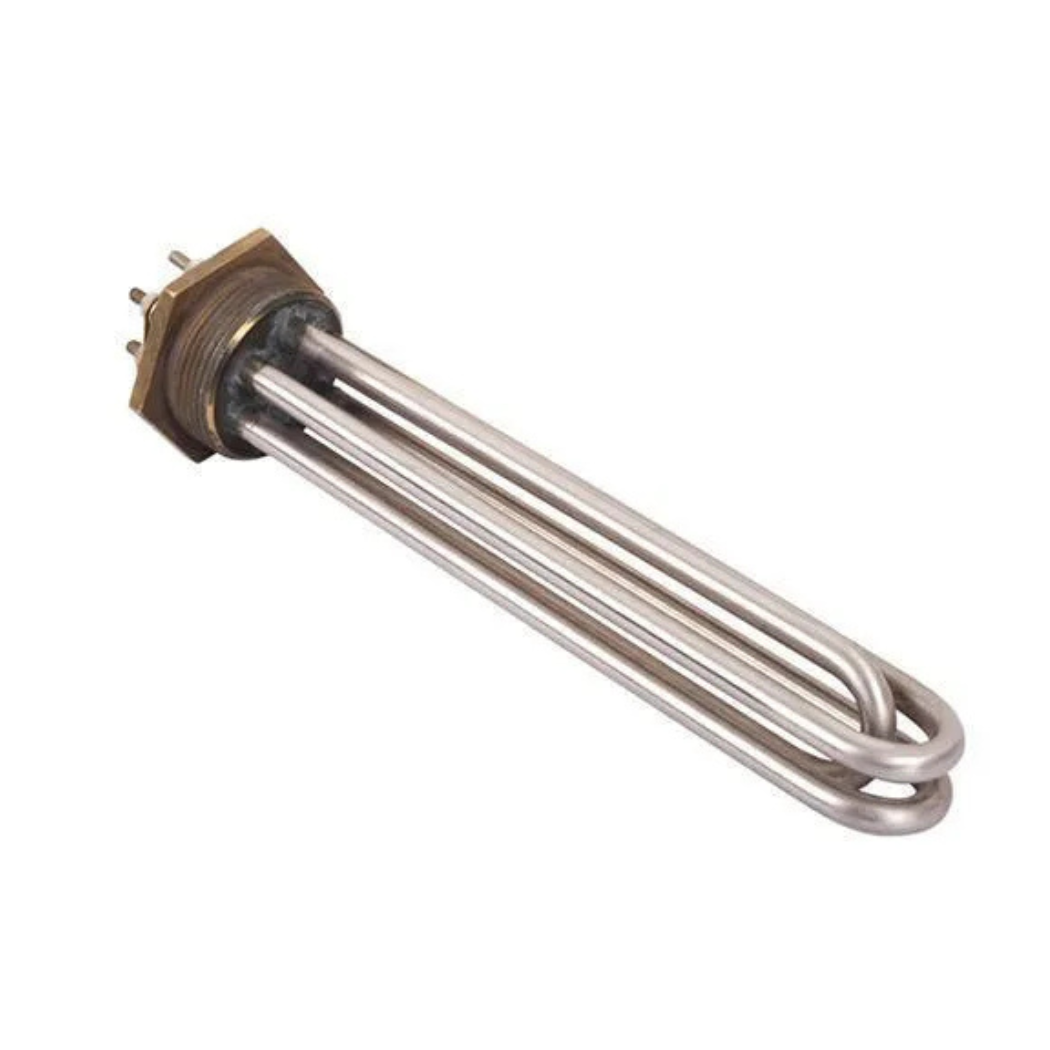
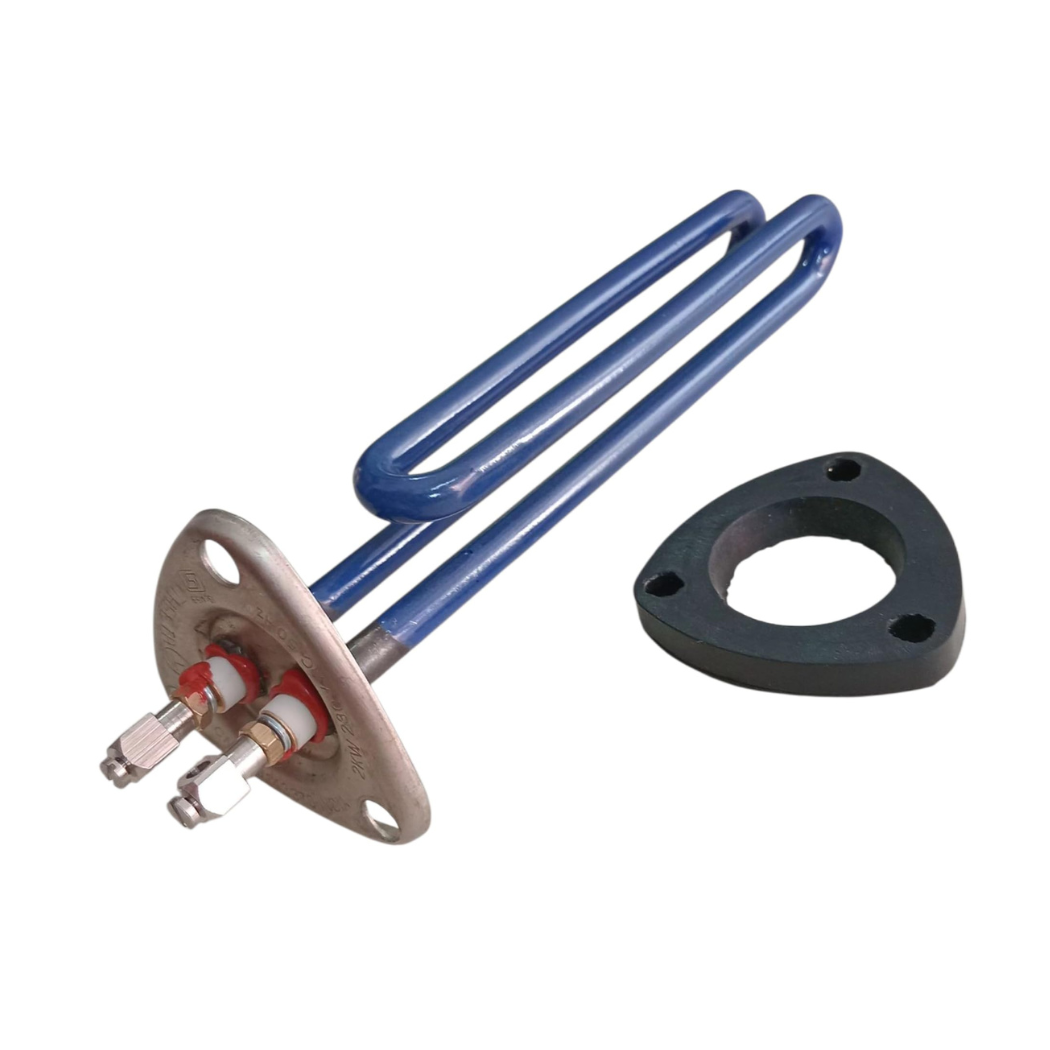
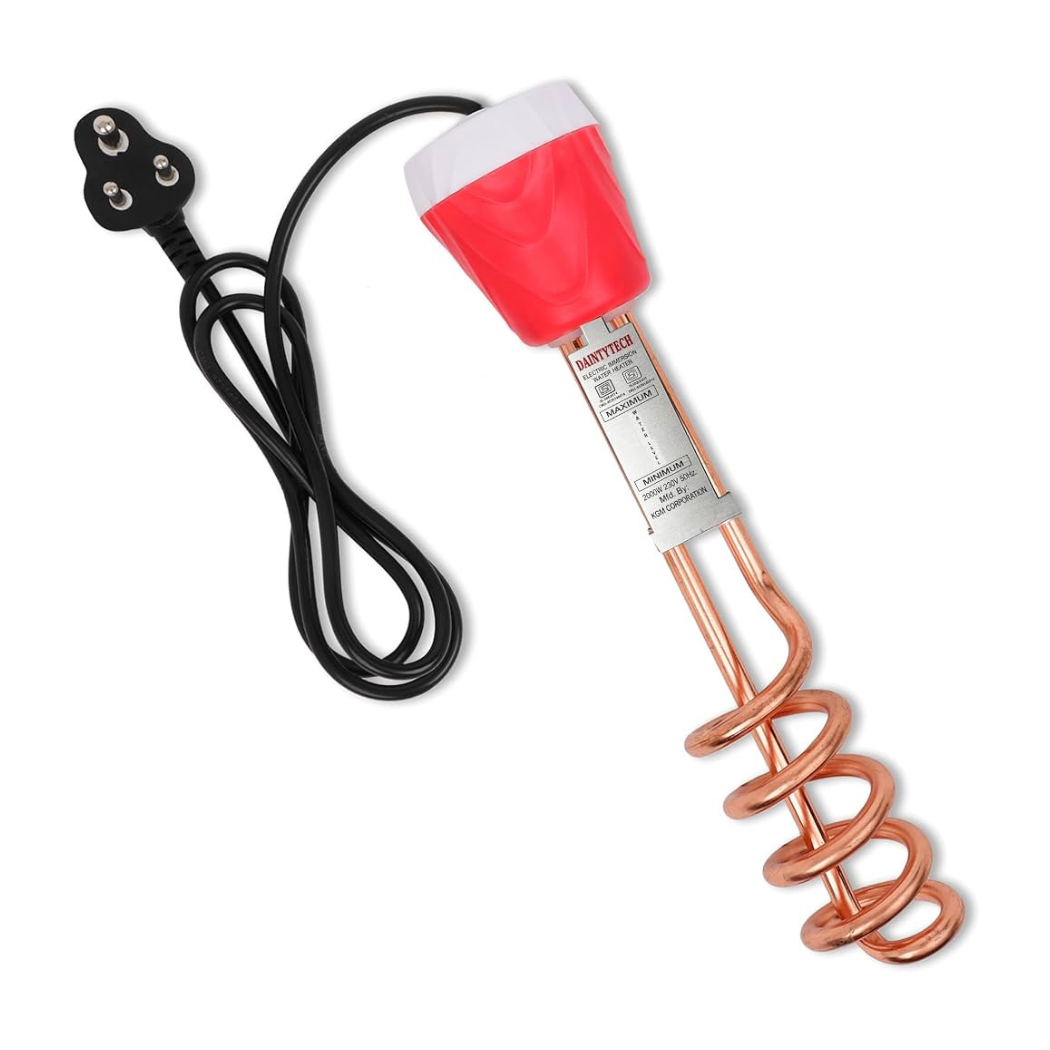
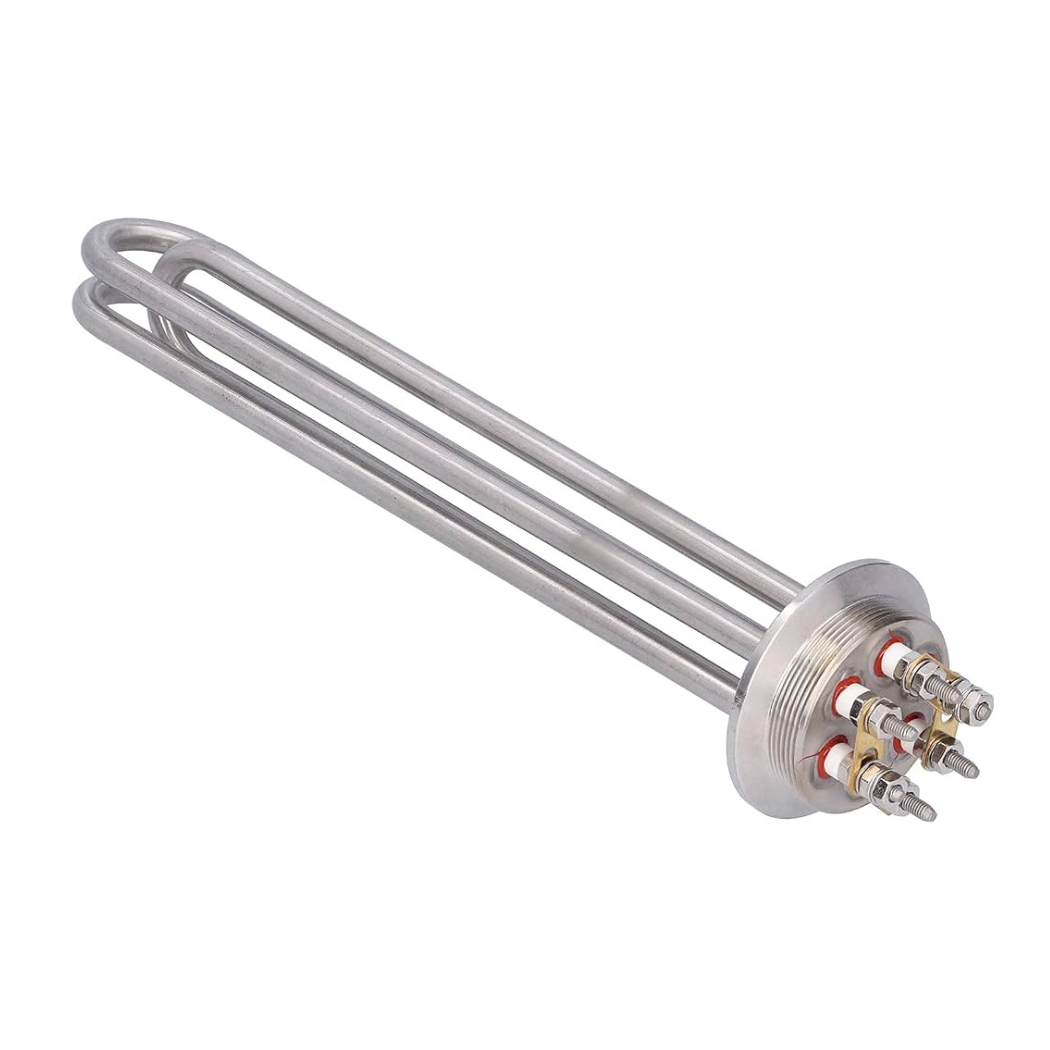
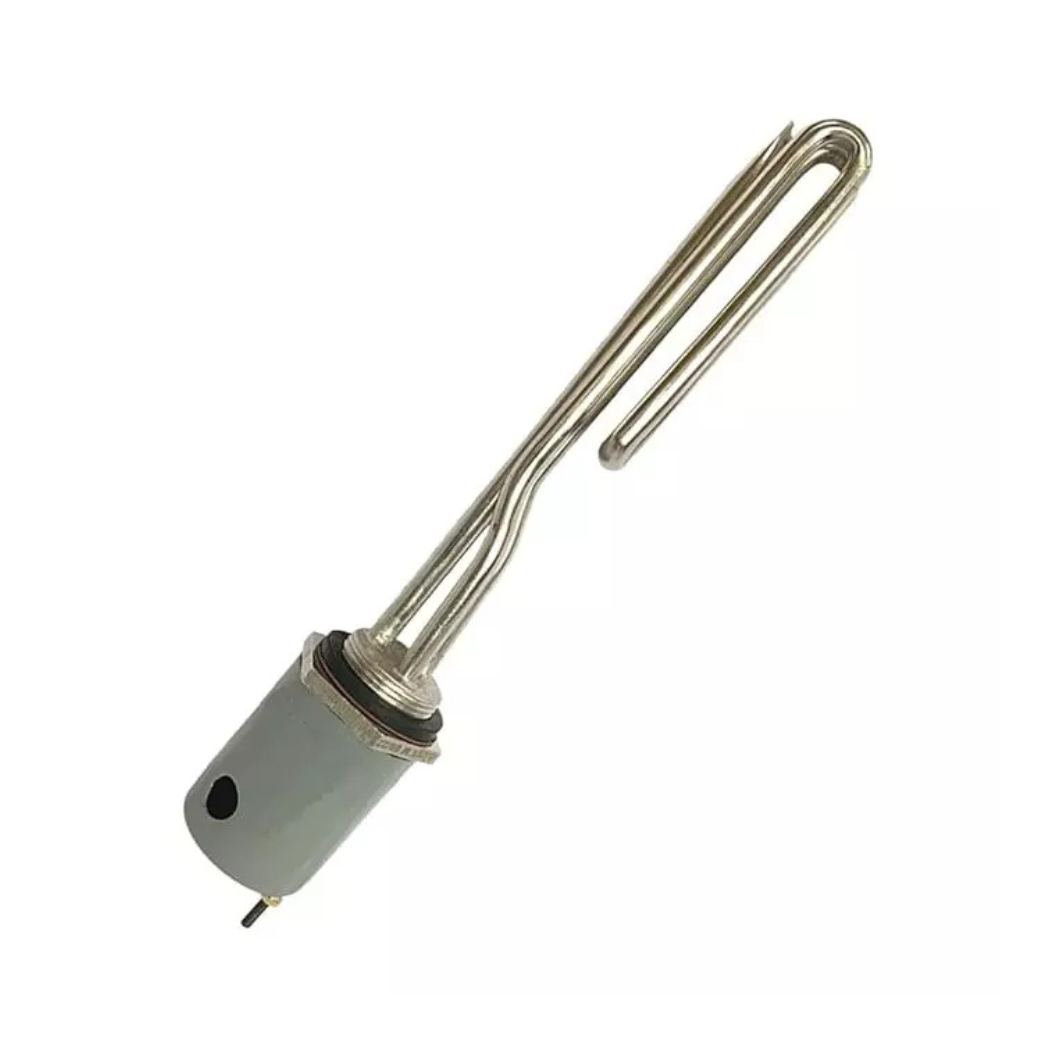
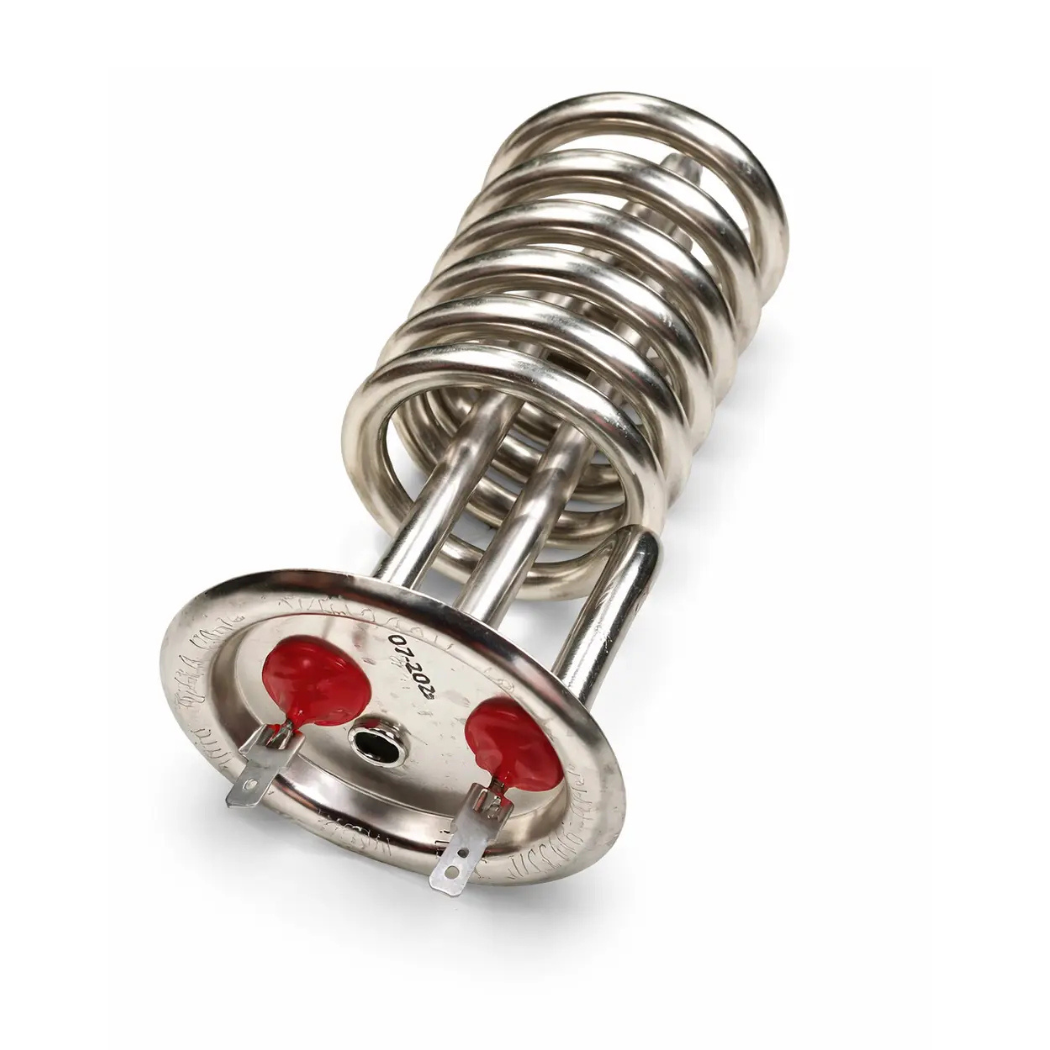
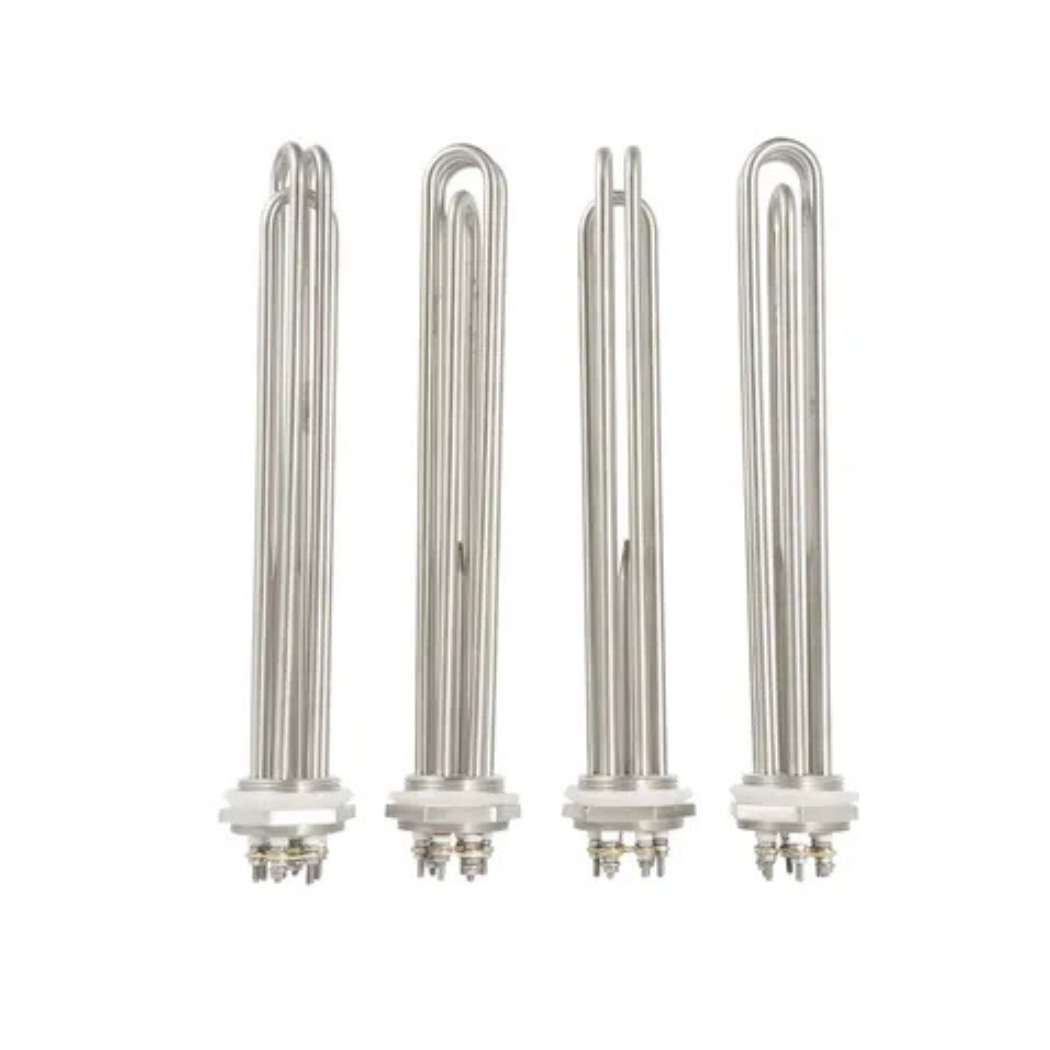
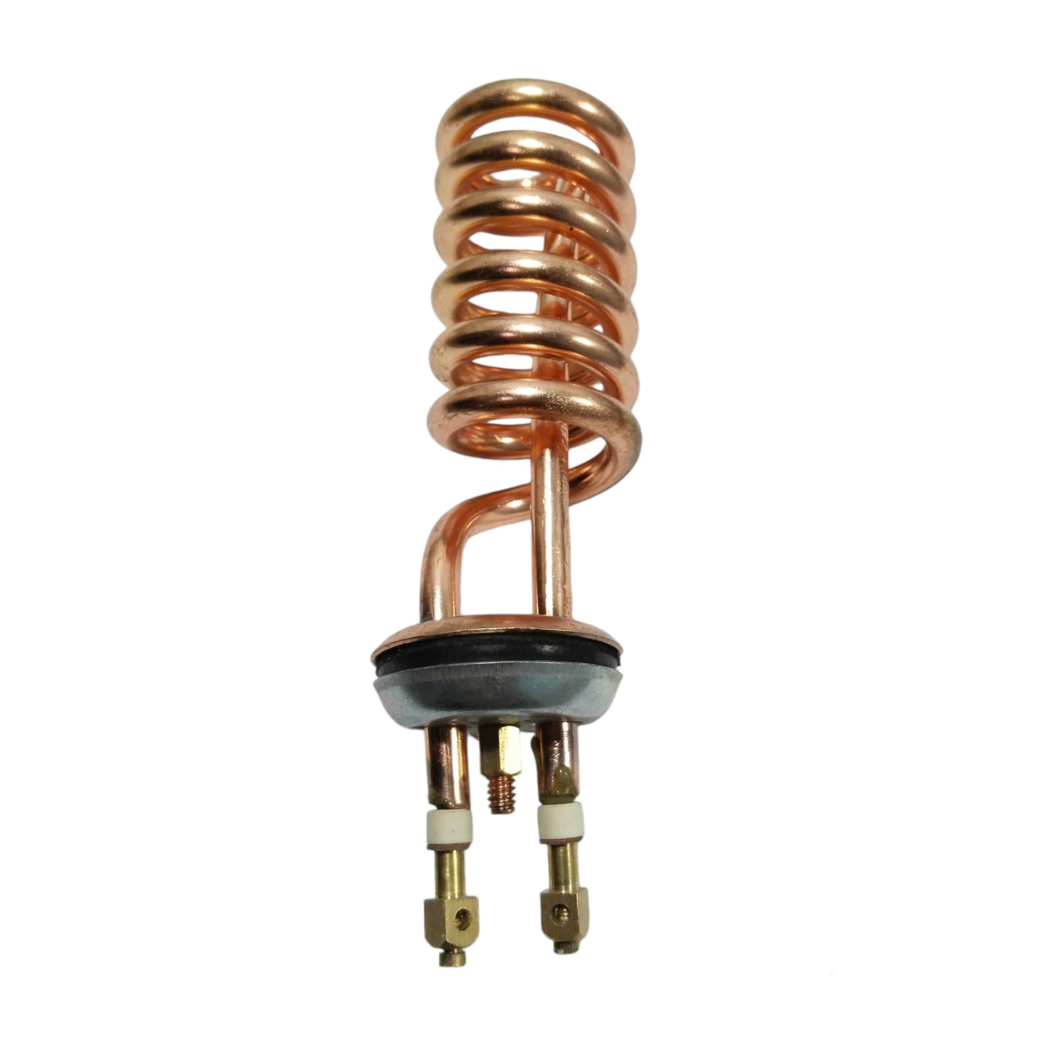
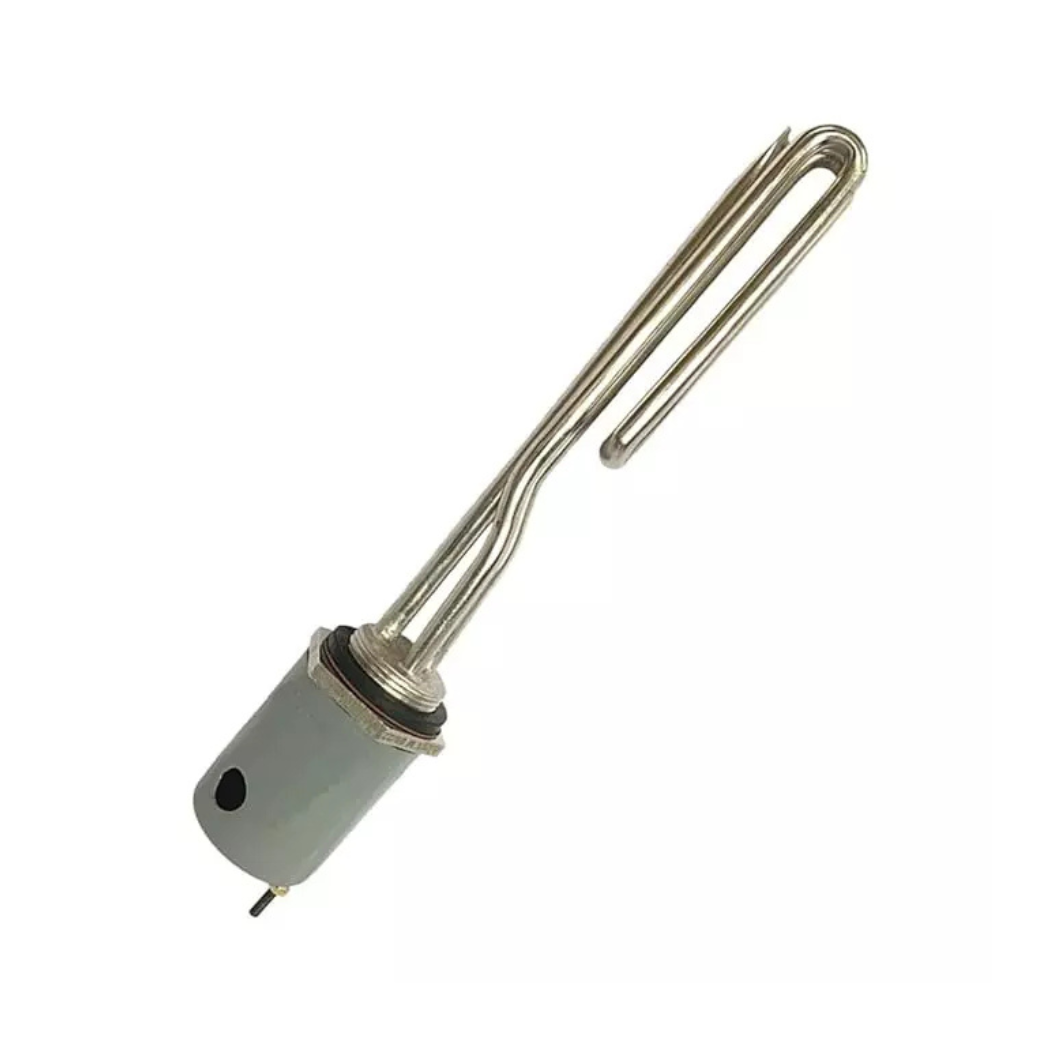
Electric Heating Element for Water Tubular Immersion Heater Stainless Steel
₹458
Availability
In Stock • Ready to ship
Cash On Delivery
7 Days Return
Secure Pay

Garage no 40 Gulabi Bagh Industrial Area Truck Market Delhi 110007, ,
This product is sold and fulfilled by Rexco Industries India via Vyapari Store platform.
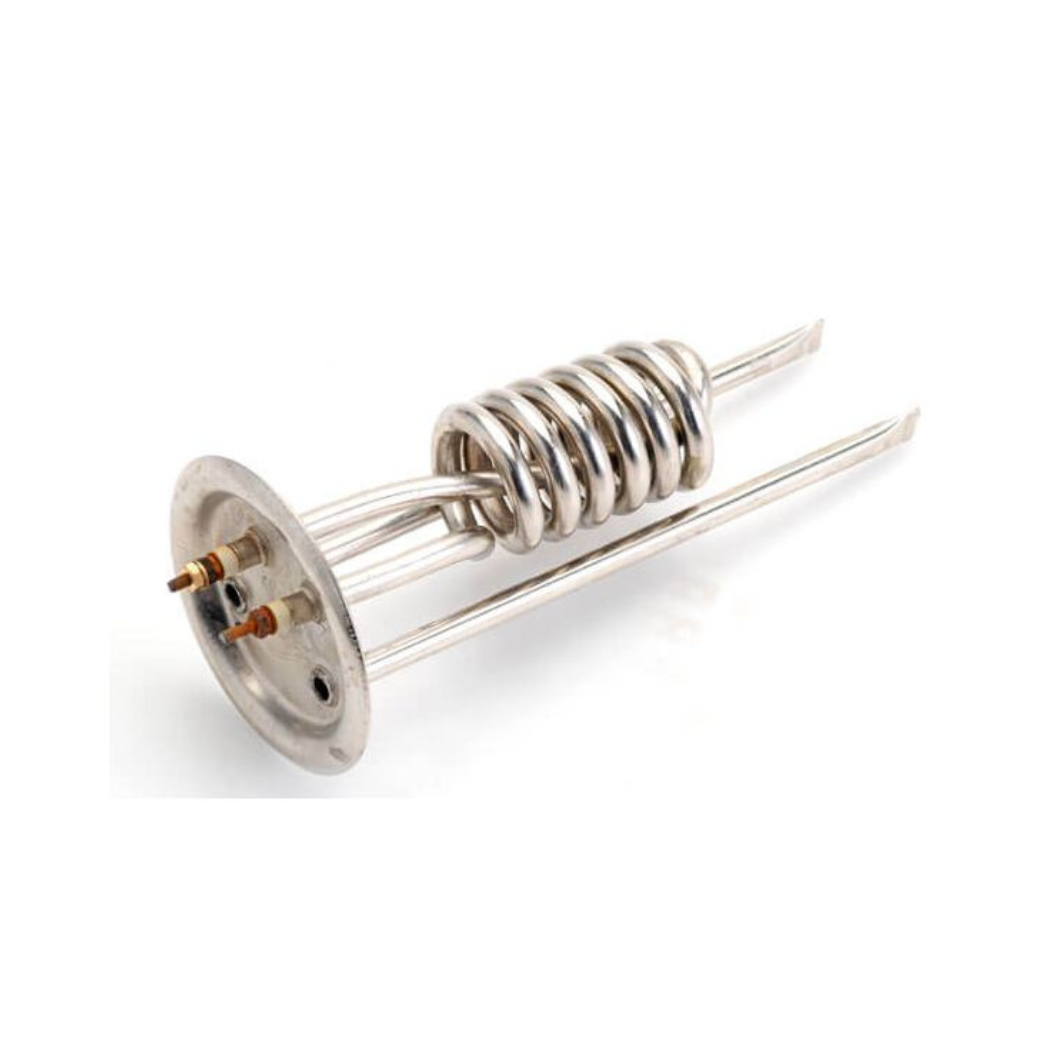
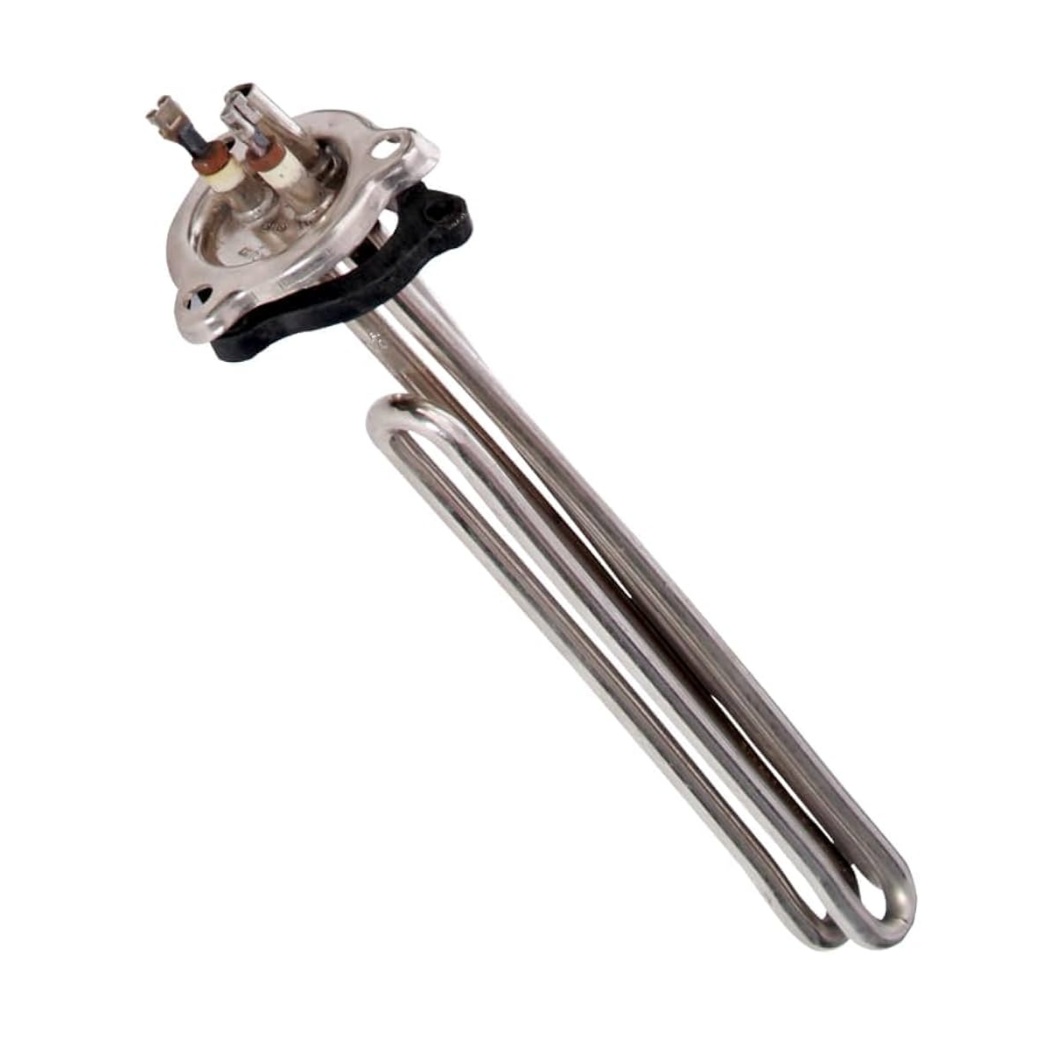
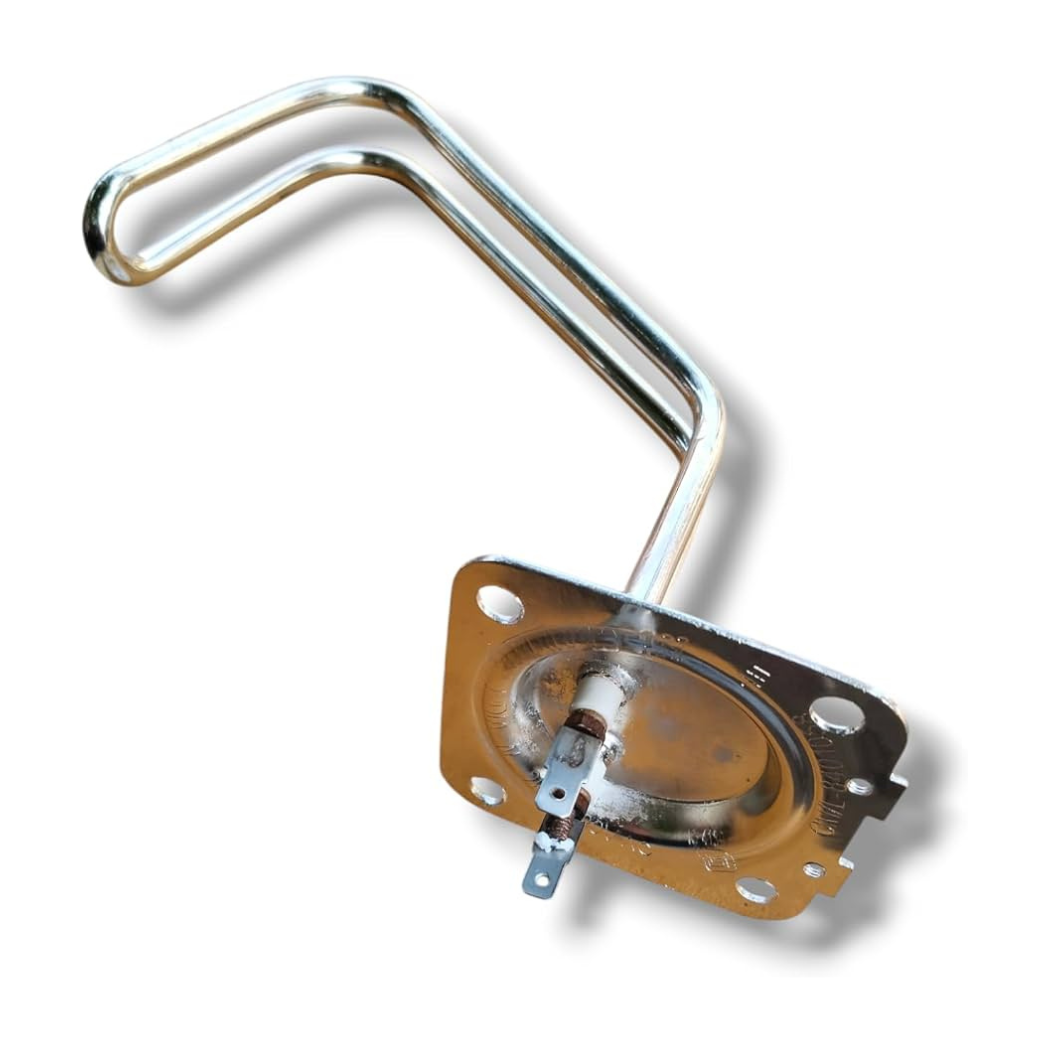
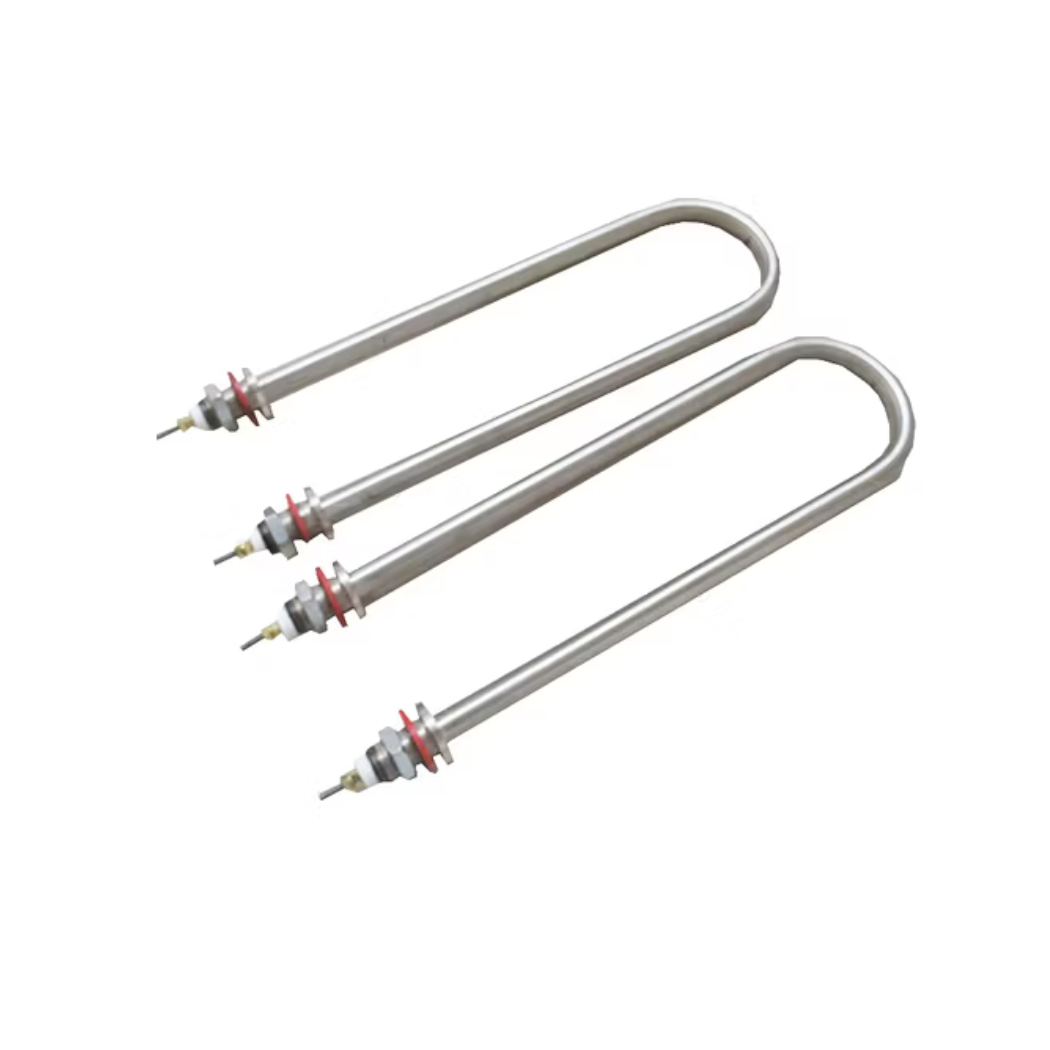
Electric heating element for water is designed for fast and steady water heating in tanks, containers, and heating systems. Its tubular design supports efficient heat transfer and reliable operation.
| Specification | Details |
|---|---|
| Product Type | Electric Water Heating Element |
| Heating Type | Tubular Electric Heating |
| Application | Water Heating |
| Material | Stainless Steel |
| Shape | Tubular |
| Installation | Immersion Type |
| Voltage | As Per Model Requirement |
| Power Rating | As Per Model Requirement |
| Heating Medium | Water |
| Usage | Domestic, Commercial and Industrial Water Heating |
| Mounting | Tank or Suitable Heating Vessel |
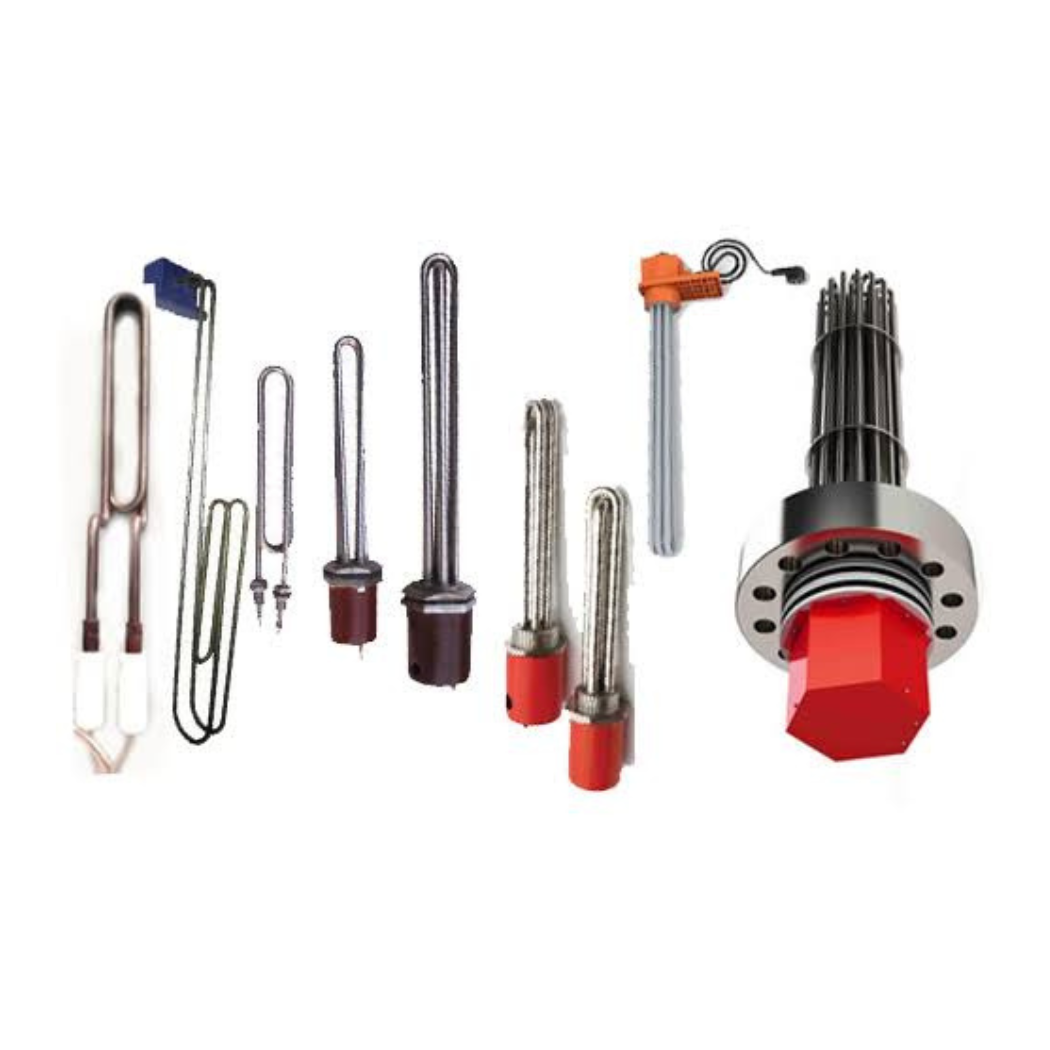
| Customization | Size, Shape and Power Options Available as Per Requirement |
Electric heating element for water is made for heating water with electrical power. It changes electrical energy into heat and transfers that heat directly to the water.
Its tubular shape gives a good heating surface. This helps provide steady heating in water tanks, containers, and heating equipment. The element can be used in both commercial and industrial setups, depending on the required voltage, wattage, size, and mounting arrangement.
Key Features
- Designed for electric water heating applications
- Tubular heating element design
- Stainless steel construction option for water-contact applications
- Provides direct heat transfer to water
- Suitable for tanks and storage water heaters
- Compact and easy to integrate into suitable equipment
- Available in different sizes and power ratings
- Suitable for continuous or controlled heating applications
- Simple electrical connection when correctly installed
- Designed for practical and regular heating use
Applications
This water immersion heater can be used where water needs to be heated using electricity.
Common applications include:
- Water storage tanks
- Electric water heaters
- Industrial water heating systems
- Heating containers
- Process water tanks
- Commercial water heating equipment
- Small heating units
- Customized water heating systems
The correct heating element should be selected according to the tank size, water volume, required temperature, voltage, wattage, and available mounting space.
Technical Benefits
The tubular construction provides a larger surface area for heat transfer. This allows heat to move from the element to the surrounding water efficiently.
A suitable stainless steel heating element can offer good resistance to moisture and regular water-contact conditions. The actual service life depends on water quality, operating temperature, electrical conditions, and maintenance.
Using the correct wattage is important. A properly matched element can provide steady heating without unnecessary electrical load.
Industry Usage
Electric water heating elements are used in several industries where heated water is part of the process.
They may be used in manufacturing plants, commercial facilities, water heating equipment, food processing setups, cleaning systems, and other industrial applications.
For industrial use, the element should be selected based on the required heating capacity, installation method, operating temperature, voltage, and water conditions.
Performance Advantages
The main advantage of an electric heating element is direct and controlled water heating. It can be integrated into suitable tanks and heating systems without requiring a separate external heat source.
The tubular design supports effective heat transfer and can be manufactured in different lengths and shapes for different equipment requirements.
For safe and reliable operation, always use the correct voltage and wattage. The heating element should remain properly immersed during operation unless it is specifically designed for another application. Electrical installation should be completed by a qualified professional.
Customer Reviews
Write a ReviewNo reviews yet
Be the first to share your thoughts about this product!